
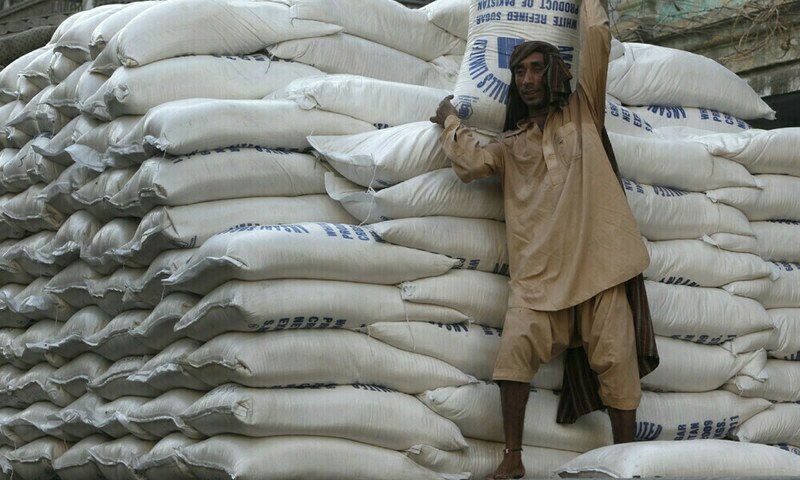
Pakistan Moves to Tender 108,000 Tonnes of Sugar for Export
Pakistan’s Economic Coordination Committee (ECC) has decided to invite international tenders for the export of 108,000 tonnes of sugar, taking a cautious approach amid concerns over domestic prices and future supply. The decision does not yet amount to formal approval for sugar exports, with the final call expected to depend on the price received through the tender process and subsequent approval from the federal cabinet.
ECC Takes Cautious Approach on Sugar Exports
The ECC, chaired by Finance Minister Muhammad Aurangzeb, reviewed a proposal from the Ministry of National Food Security and Research seeking permission to invite international tenders for government-held sugar stocks.
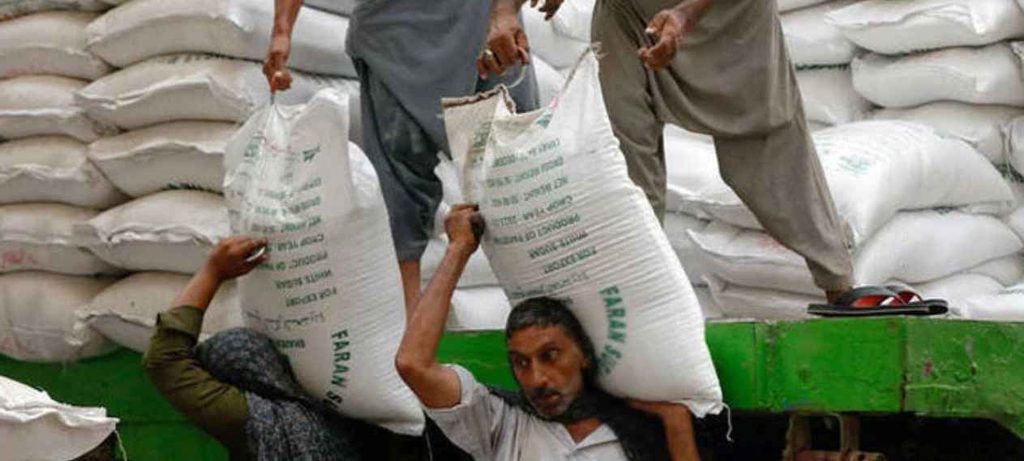
Officials said the government wants to avoid repeating previous cycles in which sugar was exported and later imported, creating pressure on domestic consumers and becoming a source of political controversy.
The international tender process will follow the PPRA Rules 2004, while officials indicated that the tender period should be at least 30 days.
Government Holds 108,000 Tonnes of Sugar
The sugar proposed for export is part of stocks held by the Trading Corporation of Pakistan (TCP). The stock represents the remaining quantity from around 300,000 tonnes of sugar imported last year following a government decision to build supplies after domestic prices increased.
Officials told the ECC that the sugar remains stored in government warehouses and has a limited shelf life of approximately two years. This has increased the urgency to sell the stock before it loses value or becomes more difficult to market.
However, the government is also concerned that exporting sugar at the wrong time could reduce domestic availability and contribute to higher retail prices.
Sugar Prices Remain a Major Concern
The debate over sugar exports comes against the backdrop of Pakistan’s long-running struggle to maintain stable sugar prices. In previous years, governments have faced criticism after permitting exports during periods when domestic supplies later became tight, forcing the country to import sugar at potentially higher prices.
Finance Minister Muhammad Aurangzeb reportedly emphasized that any export decision should generate reasonable foreign exchange earnings without causing an increase in domestic sugar prices. He also supported taking the matter to the federal cabinet to ensure collective responsibility for the eventual decision.
Sugar Industry Seeks Larger Export Permission
The sugar industry has been seeking permission to export a significantly larger quantity. The Pakistan Sugar Mills Association (PSMA) recently reported total sugar stocks of more than three million tonnes as of July 31.
According to the industry, average domestic consumption is around 564,000 tonnes per month. Based on these figures, approximately 1.9 million tonnes would cover three months of domestic requirements, leaving a substantial surplus.
The industry has called for permission to export at least 600,000 tonnes, arguing that exports would help manage excess stocks ahead of the next crushing season.
New Crushing Season Adds Pressure
Pakistan’s next sugarcane crushing season is normally expected to begin toward the end of September. The industry is anticipating sugar production of around eight million tonnes in the coming season, according to the report.
This expected production has added another dimension to the export debate. If substantial stocks remain in warehouses when the new crushing season begins, sugar mills could face additional storage and inventory pressures.
At the same time, the government remains wary of allowing large-scale exports because a sudden reduction in domestic supplies could push prices higher for consumers.
What the Sugar Export Decision Means
The tender process gives the government additional time to assess international prices before making a final decision. If the bids generate attractive foreign exchange earnings without threatening domestic supply, the federal cabinet could approve the export.
However, if international prices are considered inadequate or the government determines that exports could destabilize the local market, the proposal could face further review.
For now, Pakistan’s 108,000-tonne sugar export tender represents a middle path between the government’s need to dispose of aging stocks and its responsibility to protect domestic consumers. The final decision will depend on tender prices, supply conditions and the government’s assessment of the upcoming crushing season.