
Trump Warns of Further Military Action Against Iran as Nuclear Tensions Continue
US President Donald Trump has warned that Iran could face further military action, raising fresh concerns about the future of the ongoing conflict between Washington and Tehran. His latest remarks suggest that the White House is considering whether to resume large-scale military operations despite continued diplomatic efforts to prevent another escalation.
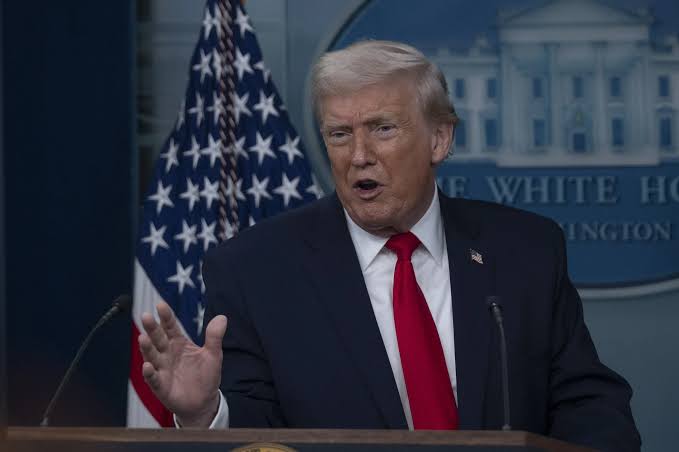
Speaking to reporters at the White House on Thursday, November 5, Trump indicated that the United States had not ruled out additional strikes against Iran. He said that a final decision would be made soon, adding that he would prefer to avoid further destruction but might consider stronger action if necessary.
The statement has increased uncertainty across the Middle East, where military tensions, security concerns and negotiations over Iran’s nuclear programme remain major international issues.
Trump Says Further Action Against Iran Remains an Option
During his interaction with journalists in the Oval Office, Trump discussed the possibility of continuing military operations to ensure that Iran could not rebuild its nuclear capabilities.
The US president suggested that Washington was evaluating whether additional action was necessary to prevent Tehran from developing nuclear weapons in the future.
Trump expressed reluctance to cause further damage to Iran but did not dismiss the possibility of expanding military operations. His comments indicated that the US administration was still considering its next steps rather than committing to a final military decision.
He also claimed that Iran could require approximately 25 years to recover from the destruction caused by the US-Israeli military campaign.
The remarks have raised questions about whether Washington intends to maintain its existing pressure on Tehran or move towards another phase of military confrontation.
Iran’s Nuclear Programme Remains at the Centre of Dispute
Iran’s nuclear activities continue to be one of the most significant disagreements between Tehran and Washington.
The Trump administration has repeatedly maintained that Iran must not acquire nuclear weapons. Washington considers preventing Iran from developing such capabilities a major security objective.
During Thursday’s media interaction, Trump was also questioned about reports that Iranian representatives had communicated a proposal through regional mediators concerning the country’s nuclear programme.
Responding to the reports, the US president suggested that Iran could not make decisions regarding its nuclear activities without American approval.
However, the specific terms of the reported proposal and the extent to which both sides are prepared to accept an agreement remain unclear.
The situation reflects the difficulty of reaching a diplomatic settlement while both countries continue to maintain opposing positions on nuclear restrictions and security guarantees.
Washington Weighs Its Next Move After Midterm Elections
Trump’s latest comments came shortly after the US midterm elections, creating another important political dimension to the Iran conflict.
The war has become a major issue in American domestic politics, particularly because of concerns about its financial costs, military consequences and impact on fuel prices.
The Republican Party’s disappointing election performance has also increased political pressure on the administration, although the election results cannot be attributed to a single issue.
According to reports, the Trump administration is considering several possible approaches towards Iran. These include renewed military strikes, continued economic and military pressure, or negotiations aimed at reaching an agreement over Tehran’s nuclear programme.
US military officials have reportedly been preparing for the possibility of renewed operations. However, preparations alone do not confirm that a new offensive has been approved.
This leaves Washington facing a difficult decision between escalating the conflict and pursuing a diplomatic arrangement.
Regional Countries Continue Diplomatic Engagement
Despite the increasingly aggressive statements from Washington, diplomatic activity involving regional countries has continued.
Iranian Foreign Minister Abbas Araghchi reportedly held discussions with representatives from Qatar, Saudi Arabia, Turkey, the United Arab Emirates, Oman and Egypt.
These diplomatic contacts indicate that regional governments remain involved in efforts to manage tensions between the United States and Iran.
The involvement of several Middle Eastern countries is particularly important because any further military escalation could affect regional security, international trade and energy transportation.
The Strait of Hormuz remains a major concern in this situation. The strategic waterway is one of the world’s most important routes for international oil transportation, making any disruption potentially significant for global energy markets.
A prolonged confrontation could therefore have consequences beyond the immediate military situation, affecting oil prices, shipping activity and economic stability across several regions.
What Could Happen Next?
The future of the US-Iran conflict remains uncertain as the Trump administration considers its next move.
A renewed military campaign could increase the risk of retaliation and widen the conflict across the Middle East. It could also create further pressure on international energy markets and complicate diplomatic relations between regional and global powers.
On the other hand, continued negotiations could provide an opportunity to establish restrictions on Iran’s nuclear activities and reduce the likelihood of another major military confrontation.
For now, Trump’s warning represents a serious indication of the administration’s position, but it should not be interpreted as confirmation that another attack is imminent.
The coming days could prove important in determining whether Washington chooses military escalation, continued pressure or a diplomatic solution to its dispute with Tehran.