
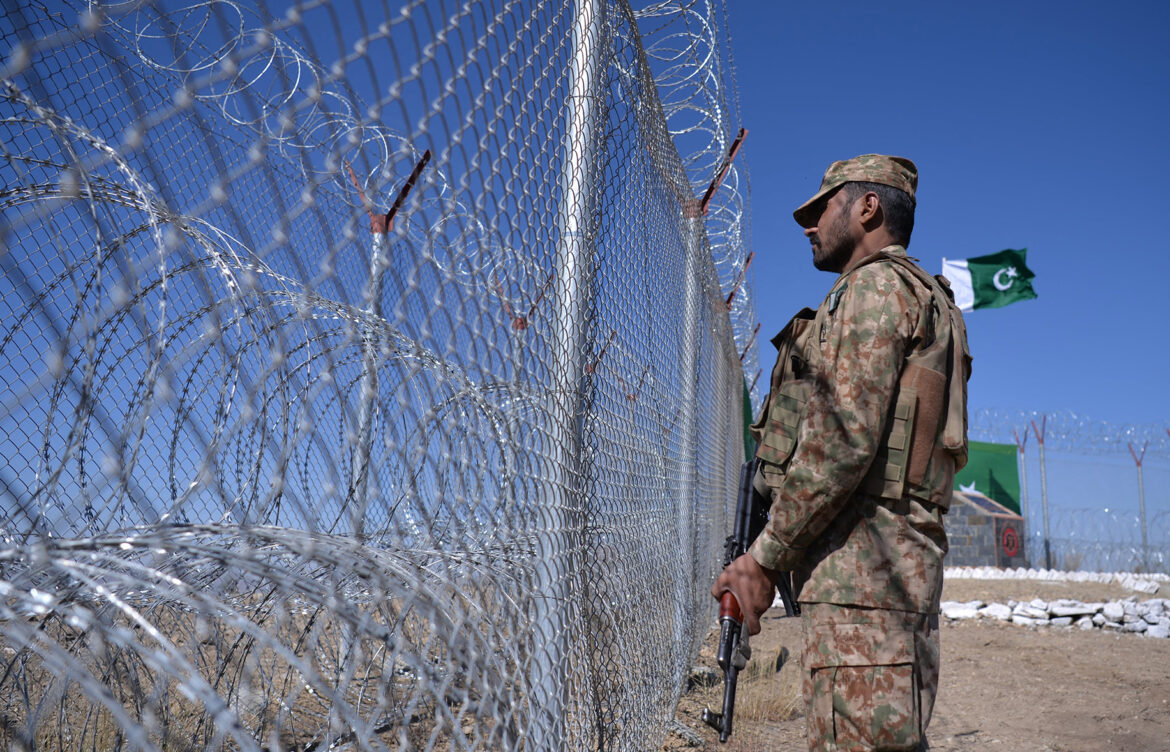
Pakistan Rejects Afghan Claims Over Angoor Adda Incident: What Happened at the Border?
Pakistan has rejected Afghanistan’s account of the latest border incident at Angoor Adda, describing the Afghan defence ministry’s allegations as a “fabrication of lies.” The exchange of accusations follows reported cross-border firing in Lower South Waziristan, where one local resident was killed and five people were injured, according to Pakistani officials.
The incident has renewed concerns about civilian safety, border security and already strained relations between Pakistan and Afghanistan.
However, the two sides have presented conflicting accounts of what happened. Understanding their claims, the reported casualties and the wider security situation is essential to assessing the incident without relying on unverified information.
What Happened at Angoor Adda?
According to a report published by Dawn on October 28, 2026, Afghan security forces opened fire on Pakistani Army border posts and residential areas near Angoor Adda on Tuesday night.
Pakistani officials said the firing originated from positions inside Afghan territory and involved small and heavy weapons. A mortar reportedly struck a residential property, killing one local resident and injuring five members of a family.
Several shops in the area were also reported to have sustained damage.
Pakistan’s security forces responded to the firing, according to official accounts. The Ministry of Information and Broadcasting subsequently claimed that the response caused casualties and material losses on the Afghan side, including the destruction of seven posts.
These claims form part of Pakistan’s official account of the incident. The full extent of the reported military losses has not been independently established in the available reporting.
Why Are Pakistan and Afghanistan Blaming Each Other?
The dispute intensified after Afghanistan’s defence ministry offered a different version of events.
According to Dawn, the Afghan ministry alleged that Pakistani military personnel had launched drones targeting Angoor Adda Bazaar and the commissioner’s office in Paktika province without provocation or justification.
It further claimed that Afghan forces carried out retaliatory strikes against a nearby Pakistani military base and outposts.
Pakistan rejected these allegations through its information ministry’s fact-checking account on X, maintaining that Afghan forces had initiated the firing and mortar shelling against civilians on the Pakistani side.
The competing statements illustrate the central problem: both sides accuse the other of initiating hostile action.
At the time of the cited reporting, the two accounts had not been reconciled through an independently verified investigation. Consequently, claims about who initiated the confrontation, the precise sequence of events and the military damage should be treated with appropriate caution.
Angoor Adda: Why Is This Border Area Important?
Angoor Adda is located in Lower South Waziristan, in Pakistan’s Khyber Pakhtunkhwa province, close to the Afghan border.
The area is strategically significant because it serves as a border crossing and a route for trade and public movement between the neighbouring countries.
Security incidents in such locations can affect more than military personnel. Local residents, shopkeepers, transport operators and families living near border installations may face immediate risks when firing spreads into populated areas.
Damage to shops and residential properties can also disrupt livelihoods and ordinary economic activity.
For communities already living with security concerns, repeated clashes create uncertainty about personal safety, access to markets and the future of cross-border movement.
The reported death of one civilian and injuries to five others underline the human consequences of the latest confrontation, regardless of the competing explanations offered by the two governments.
How Does the Incident Fit Into Wider Pakistan-Afghanistan Tensions?
The Angoor Adda incident comes amid continuing disagreements over cross-border militancy and counterterrorism.
Pakistan has repeatedly urged the Taliban administration in Kabul to prevent militant groups, particularly the banned Tehreek-i-Taliban Pakistan (TTP), from using Afghan territory to plan or support attacks inside Pakistan.
Islamabad maintains that militant sanctuaries across the border pose a serious threat to its security. The Afghan Taliban authorities have rejected accusations that Afghanistan is being used to launch attacks against Pakistan.
The disagreement has contributed to a cycle of diplomatic tensions, border confrontations and military action.
Dawn’s October 28 report also recalled several developments during September and October 2026. These included Pakistani airstrikes on locations described by officials as terrorist hideouts, the reported interception of eight drones near Torkham and Kohat, and further exchanges of fire along border areas in Khyber Pakhtunkhwa.
Pakistan’s government said more than 28 terrorists were killed in its September 21 operation. This figure was an official claim and should not be interpreted as an independently verified casualty count.
The latest Angoor Adda confrontation therefore represents another development in a broader dispute that has repeatedly challenged relations between Islamabad and Kabul.
What Could Happen Next?
The immediate priority is protecting civilians and preventing further escalation along the border.
Both governments face difficult questions about how to establish the facts, communicate reliably during security incidents and prevent similar confrontations from spreading.
An independent, credible assessment of the Angoor Adda incident could help clarify the sequence of events, verify damage and casualties, and distinguish confirmed evidence from competing official narratives.
Reliable information is particularly important when social media posts and unverified claims begin circulating during periods of heightened tension. Sharing dramatic allegations without checking their origin can increase public confusion and deepen hostility between communities.
Diplomatic engagement also remains important. Pakistan has maintained that meaningful dialogue must address its security concerns, while lasting stability will require practical steps to reduce cross-border violence and protect people living in affected areas.
Military responses may address an immediate security threat, but they cannot, by themselves, resolve the underlying political and security disagreements between the neighbours.
Conclusion: Can Pakistan and Afghanistan Prevent Another Border Crisis?
The Angoor Adda incident highlights the fragile state of Pakistan-Afghanistan relations and the risks faced by civilians living near the border.
Pakistan has rejected Afghanistan’s allegations, while Afghan authorities have offered a conflicting account of the confrontation. The reported civilian casualties make the incident especially serious, but establishing responsibility requires credible evidence rather than competing statements alone.
For both countries, the challenge is not only to defend their respective security interests but also to prevent recurring confrontations from becoming a larger regional crisis.
What is your opinion? Should Pakistan and Afghanistan pursue an independent investigation into the Angoor Adda incident, strengthen border security, or prioritise diplomatic negotiations to prevent further clashes? Share your views in the comments below.