
Iran-Israel War: Latest Developments, US-Iran Tensions and Strait of Hormuz Crisis
The Iran-Israel war has entered another tense phase, with the conflict increasingly affecting regional security, global energy markets, international shipping and diplomatic relations. The latest developments indicate that the United States is now placing greater emphasis on economic pressure against Iran, while diplomatic efforts continue to focus on reducing escalation and restoring safe navigation through the strategically important Strait of Hormuz.
Latest Iran-Israel War Developments
The latest updates reported by Dawn show that Washington is preparing a major economic campaign against Iran. US Treasury Secretary Scott Bessent said the United States wants allies to support efforts to economically isolate Tehran, describing the planned campaign as an unprecedented level of coordinated economic pressure. He also suggested that maximum economic pressure could reduce the possibility of a renewed large-scale military campaign.
Iran has strongly rejected the new sanctions. Tehran described the measures as “economic terrorism” and argued that economic pressure would not weaken the country’s determination to protect its sovereignty and national interests. The Iranian response indicates that the economic confrontation could become an important part of the next stage of the wider conflict.
US Economic Pressure on Iran
The US-Iran conflict is increasingly moving beyond direct military confrontation toward economic and diplomatic pressure. Washington is seeking broader international support for sanctions, while China has criticized the strategy and argued that sanctions and coercion will not resolve the underlying disputes. Beijing has called for diplomatic and political solutions instead.
The effectiveness of the new sanctions campaign could depend heavily on international cooperation. Iran maintains important economic relationships with major powers, making enforcement of comprehensive restrictions a complicated challenge.
Strait of Hormuz Crisis Raises Global Concerns
The Strait of Hormuz remains one of the most critical flashpoints in the conflict. The waterway is essential to international energy transportation, and disruptions have already raised concerns about oil supplies, shipping costs and global economic stability.
Qatar and Egypt have called for a sustainable agreement to end the wider Middle East conflict and restore safe maritime navigation. Oman has also stressed that long-term security in the Strait of Hormuz depends on regional peace and has warned against further escalation.
The situation has already affected financial markets. Oil prices jumped by around 2.5 per cent as US-Iran peace efforts remained stalled and uncertainty surrounding the Strait of Hormuz continued.
Israel, Lebanon and Regional Escalation
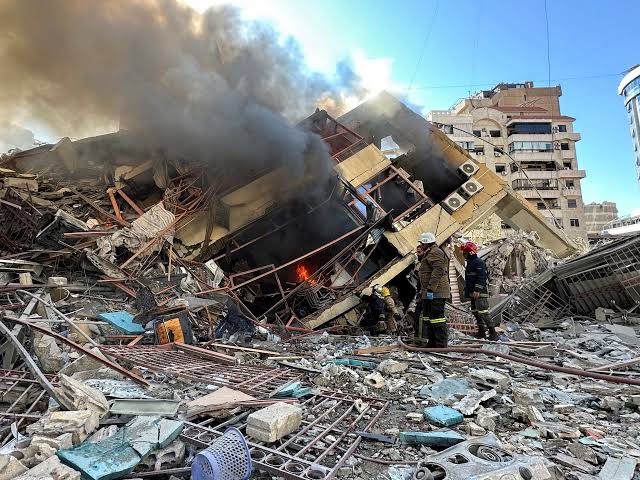
The impact of the Iran war extends beyond Iran and Israel. Israeli forces have continued military activity in southern Lebanon, while tensions involving Hezbollah and other regional actors remain a major concern.
The Houthis in Yemen have also claimed attacks targeting locations in Saudi Arabia’s Najran region, including an airport and an Aramco facility. Such developments increase concerns that the conflict could continue spreading across the Middle East.
Meanwhile, the United States has maintained a significant military presence in the region. US Central Command confirmed that the USS George Washington aircraft carrier is operating in the Middle East, adding another layer to the already tense security environment.
Global Economic Impact of the Iran War
The Iran-Israel conflict is having consequences well beyond the battlefield. Higher oil prices, disrupted shipping routes, sanctions and uncertainty around the Strait of Hormuz are creating challenges for governments, businesses and investors.
European countries are closely monitoring energy supplies. The European Commission has said there is no immediate concern over natural gas availability, although European countries are facing difficulties replenishing gas storage ahead of winter because elevated prices have discouraged companies from purchasing additional supplies.
For global markets, prolonged disruption could mean higher transportation costs, increased energy prices and additional inflationary pressure.
Diplomatic Efforts Continue
Despite the escalation, diplomatic efforts remain active. Egypt and Qatar are coordinating efforts aimed at reducing regional tensions and supporting negotiations. Both countries have emphasized the importance of reopening the Strait of Hormuz and protecting international maritime trade.
Oman has similarly called for regional peace and stressed that maritime security in Hormuz is directly connected to stability and prosperity throughout the Gulf.
These efforts suggest that diplomacy remains one of the few available paths toward preventing a wider regional confrontation.
What Happens Next in the Iran-Israel War?
The future of the Iran-Israel war remains uncertain. The immediate focus is likely to remain on the US economic pressure campaign, the situation around the Strait of Hormuz, regional military activity and attempts to revive diplomatic negotiations.
A successful agreement could reduce pressure on global energy markets and lower the risk of further escalation. However, continued military confrontation and economic isolation could deepen instability and create wider consequences for international trade and regional security.
For now, the conflict has evolved into a multidimensional crisis involving military operations, economic sanctions, maritime security, energy markets and international diplomacy. The developments surrounding Iran, Israel, the United States and the Strait of Hormuz will remain critical to the future stability of the Middle East and the global economy.